When a dog starts to slow down—stiff mornings, less interest in stairs, shorter walks—pet parents often feel the same mix of emotions:
They want to help, but they don’t want to chase miracles.

Start here (hub + products)
Product starting points:

What “pain and mobility” changes can look like in real life
Dogs can’t always show pain directly. Instead, you might notice:
- stiffness when standing
- reluctance to jump or climb stairs
- shorter walks
- irritability when touched
- changes in sleep or pacing
Progress often looks like small wins:
- getting up more comfortably
- moving more willingly
- recovering faster after activity
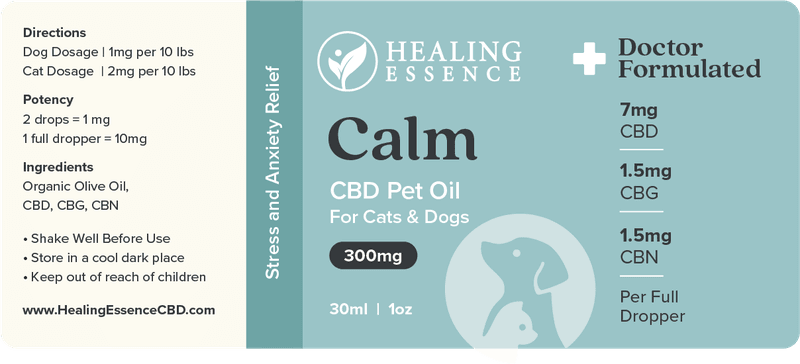
How pet parents use CBD for comfort and mobility
Many pet parents explore CBD (cannabidiol) as part of a broader comfort plan:
- consistent daily routine
- gentle movement
- supportive bedding
- weight and joint support strategies
CBD isn’t a replacement for veterinary care, but it can be one supportive piece in a comfort-focused treatment plan.
A quick research note: while pet parents often look for clear proof of efficacy, the overall picture in dogs is still developing. You’ll see references online to a systematic review and even meta-analysis-style discussions, plus animal intervention studies (in dogs and other animals). Use that research as context—but keep expectations realistic and personalize the plan with your veterinarian.

Start low and go slow (the first week)
Days 1–3
- Pick one consistent time each day
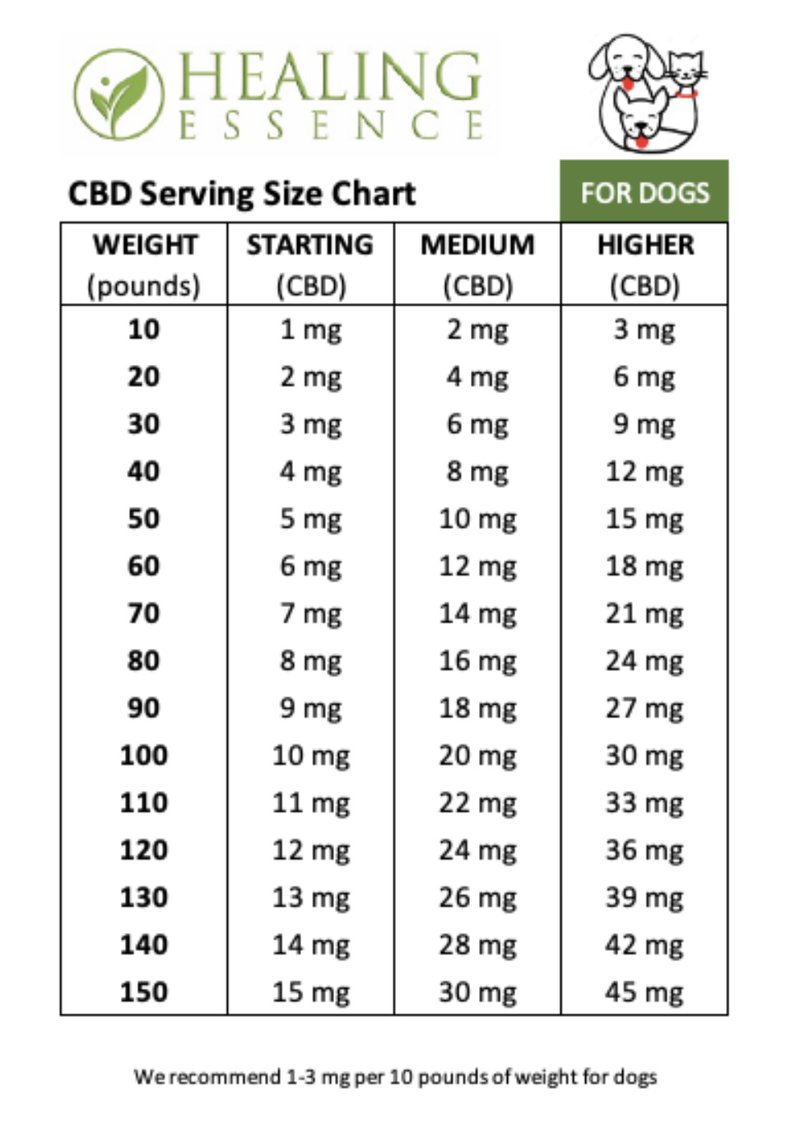
- Start with a very small amount
- Observe: comfort, sleep, appetite, energy
Days 4–7
- Adjust slowly only if needed
- Keep notes so you can see trends

A simple daily comfort routine (CBD + lifestyle)
Morning: gentle start
- short, easy walk or range-of-motion movement
- hydration
- CBD routine (consistent timing)
Midday: micro-movement
- short movement break
- avoid overexertion
Evening: recovery and rest
- calm environment
- consistent routine
What to watch for (when to pause)
Pause and consult your veterinarian if you notice:
- unusual wobbliness
- digestive upset
- major behavior change
This is part of CBD safety: if something feels “off,” stop and get guidance—especially if your dog has a diagnosis like canine osteoarthritis or is on other treatments.
Quality matters: choose products with COAs
Third-party testing supports transparency and safety.
If possible, look for clear sourcing (for example, brands that specify US-grown hemp and practices such as usda organic hemp where applicable) and up-to-date batch testing.
Product pathways
Browse:
Common starting options:
Frequently asked questions
How long does it take to notice changes?
Some pet parents report early changes, while others see more benefit over time with consistency.
Can CBD replace veterinary care?
No. It can be a supportive tool, but persistent pain or mobility changes should be evaluated—especially if you suspect canine osteoarthritis.
Are all pet CBD brands the same?
No. Formulas, dosing guidance, testing standards, and quality vary widely—even among well-known brands (for example, Honest Paws and others). Whatever you choose, prioritize transparent COAs and discuss fit and safety with your veterinarian.
Next step
If you want the main hub: