If your dog struggles with anxiety—separation stress, noise sensitivity, guests, travel, car travel, or sudden changes—your first goal is usually simple: help them feel safe in their body again. This guide is CBD-only and safety-forward, focused on a calm, realistic approach you can actually maintain day after day. (CBD is short for cannabidiol.)

This article is for education only and is not veterinary advice. If your dog takes medications, has a diagnosed condition, or is under veterinary care for behavior, seizures, pain, or chronic illness, talk with your veterinarian before starting CBD.
If you want the full overview for both dogs and cats (including notes on cat anxiety), you can start with the main guide here:
- Hub: CBD for pets guide
To explore specific options for dogs: - Pet CBD products
- CBD oil for pets
- Healing Essence CBD pet formula
Dog anxiety rarely looks the same in every household, which is why it helps to know what to watch for before you introduce CBD—especially because many dogs experience stress differently across stress-inducing scenarios like visitors, storms, or stress – car journeys.
Common signs of dog anxiety may include:
- Pacing, panting, trembling
- Barking or whining when left alone
- Destructive behavior (doors, crates, furniture)
- Hiding, freezing, or refusing food
- Hypervigilance, “always on,” startles easily
When you’re using CBD for dog anxiety, even small changes matter. Subtle wins to track over time:
- Settling faster after a trigger
- Fewer stress spirals or “meltdowns”
- Easier transitions when you come and go
- Slightly smoother evenings or quieter nights (sometimes less whining, in some households)
For a broader look at behavior, mobility, and quality of life, you can circle back to the main hub:
Most dog parents don’t explore CBD because of a trend; they do it because something feels off in their dog’s day-to-day life. In practice, people often use CBD to support:
- Everyday calm: Dogs who run “hot” and seem easily activated
- Separation anxiety: Difficulty when you leave, even for short stretches (a separation event can be a big trigger)
- Noise stress: Storms, fireworks, construction, or loud environments
- Guests and overstimulation: Big reactions when people visit or routines change
- Wind-down after stimulation: Helping a dog relax after a busy or stressful day
- Travel and car travel: Support during stressful situations like vet rides, road trips, and stress – car journeys (often linked to canine stress and motion-related worry)
CBD is not a substitute for training, enrichment, or veterinary care. It may be more helpful when it is part of a broader plan that also includes routine, environmental support, and behavior strategies. For a fuller discussion of those layers, you can refer back to the hub:

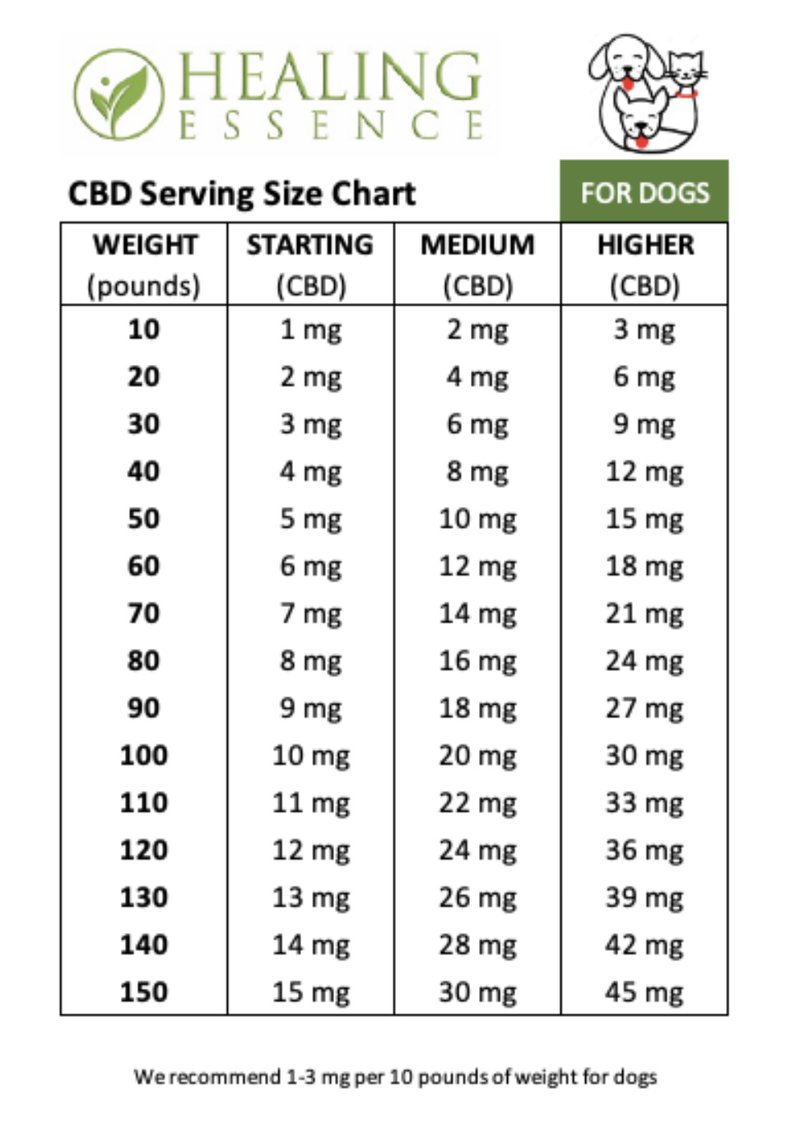
Most negative experiences with CBD in dogs happen when too much is introduced too fast or when products are not clearly labeled or tested.
A gentle first week can look like this:
Days 1–3
- Choose one consistent time per day
- Start with a very small amount of CBD oil for pets (some caregivers find it easiest to pair with a small amount of pet food for consistent intake)
- Observe baseline: appetite, sleep, energy, reactivity, and bathroom habits
Days 4–7
- Adjust slowly only if needed, based on what you see
- Keep simple notes (morning, evening, and any major stressors)
The goal isn’t sedation. The goal is “more ease”—a dog who can rest, reset after stress, and move through their day with a bit more resilience (a more relaxed emotional state). If your dog seems overly sleepy, uncoordinated, or “not themselves,” pause and reassess with your veterinarian.
If you prefer to start by reviewing product options, these formulas are commonly chosen for dogs:
- CBD oil for pets
- Healing Essence CBD pet formula
- Full collection: Pet CBD products
This spoke focuses on the most common scenarios where pet parents use CBD for dog anxiety and how to integrate it into a realistic daily routine—especially for healthy dogs who still show a pronounced stress response in certain contexts.
1) Separation Anxiety in Dogs (Leaving the House)
Separation anxiety can look like barking, drooling, pacing, destructive behavior, or intense distress as you prepare to leave. CBD alone will not “fix” separation anxiety, but it may help support calmer baseline behavior while you work on training.
A helpful framework:
- Make CBD part of a daily routine, not just a last-minute crisis response
- Pair with training support (gradual departures, desensitization, positive associations)
- Keep your “departure cues” predictable and low-drama
- Give your dog a clear “job” when you leave (safe chew, familiar bed, or enrichment toy)
You can explore CBD oil formats that make it easier to dose around departure times here:
2) Noise Stress (Storms, Fireworks, Construction)
Noise sensitivity is one of the most common reasons people search for CBD for dog anxiety. For many dogs, planning ahead works better than last-minute scrambling during a thunderstorm or fireworks show.
Consider this approach:
- Test CBD on a calm day first, so you know how your dog responds
- If you expect an evening trigger (storms, fireworks), use CBD earlier in the day as part of routine
- Create a safe den: quiet room, familiar bedding, white noise or gentle music
- Avoid forcing exposure to loud sounds; let your dog choose distance and hiding spaces
To align this with the broader safety and dosing guidance, you can revisit:
3) Guests, Visitors, and Overstimulation
Some dogs struggle most when the environment gets busy—holidays, houseguests, repair people, or gatherings. In these moments, CBD may be used to support a calmer baseline, not to suppress personality.
Helpful strategies:
- Give your dog a calm “job” (lick mat, chew, or quiet space away from the door)
- Avoid forcing social interaction with guests—especially for shy or fearful dogs
- Keep the CBD routine consistent, not just reactive on “big” days
- Allow your dog an opt-out space where they can rest undisturbed
For dogs who tend to be overwhelmed by visitors, a flexible tincture can make timing and dosing easier:
4) Car Travel and Vet Rides (Stress – Car Journeys)
For some dogs, car travel creates a pronounced stress response: panting, drooling, shaking, vocalizing, or refusal to get in the car. CBD may have a mitigating effect for some dogs in these specific circumstances, but it’s best tested on a non-urgent day.
A practical approach:
- Trial CBD on a calm day first, not right before an appointment
- Pair with car comfort: secure harness/crate, familiar blanket, good ventilation
- Start with a low dose and track behaviour before/during/after the drive (simple notes help caregivers spot patterns)
- Keep expectations realistic: the aim is smoother transitions, not “instant calm”
Any time you introduce something new to your dog’s routine, observation matters.
If you notice any of the following, pause and talk with your veterinarian:
- Overly sleepy or unusually “out of it”
- Wobbly, uncoordinated movements
- New agitation or restlessness that feels unusual
- Digestive upset, reduced appetite, or vomiting
If the product contains THC, even within hemp-legal limits, sensitivity can vary between dogs. When in doubt, step back, review the dose, and consult your veterinarian before reintroducing.
For more detailed safety and quality considerations, see the hub:
Not every “hemp” or “CBD for pets” product is appropriate for longer-term use in dogs. Product quality can shape both safety and results, especially for anxiety support, where you may be dosing consistently over time.
Look for:
- A clear, simple ingredient list (no unnecessary additives)
- Clearly labeled CBD content and very low or no THC for pet formulas
- Transparent hemp sourcing and extraction methods
- Third-party Certificate of Analysis (COA) that shows cannabinoid potency and contaminant screening (including heavy metals)
You can review Healing Essence testing here:
Tip: it can be helpful to open the COA in a new tab while you compare products and batches.
And compare options in the pet collection:
If you’re ready to explore CBD for dog anxiety, start with what you can use consistently and calmly in real life.
Common starting points for dogs:
- CBD oil for pets – flexible dosing for different body sizes and anxiety patterns:
- Pet-specific CBD formulas – designed with dogs and cats in mind (companion animals in busy homes):
- Browse all:
Before choosing a product, you can cross-check the matching COA:
Will CBD make my dog feel “high”?
CBD-only or CBD-forward pet products are not intended to create an intoxicating effect. Dogs may be more sensitive to THC than humans, which is why pet formulas are typically high in CBD and very low in THC (or THC-free). Always review COAs before use:
How fast will CBD work for my dog’s anxiety?
Some pet parents notice subtle changes within hours around specific stressors (like travel, car travel, or noise), while others see more gradual shifts over days or weeks of consistent use. Observation and routine usually matter more than any single dose.
In the bigger picture, there’s a growing body of interest in CBD within veterinary science and broader veterinary science discussions, but the real-world response can be a complex effect that varies by dog, dose, product, and trigger. If you’re looking at research, you may see a new study or recent study described as a blinded study, sometimes using multiple measures (for example: caregiver ratings plus activity changes, plus stress biomarkers like lower cortisol levels). Some designs may also evaluate a single oral dose in controlled, short-term settings—helpful for understanding acute stress, but not always the same as day-to-day, longer-term use at home.
Can CBD replace training for separation anxiety or reactivity?
No. CBD may support calm and resilience, but behavior change tends to improve fastest when paired with training, environmental support, and enrichment. Think of CBD as one tool in a layered plan, not a replacement for that plan.
Where should I go next?
If you want the full hub that covers both dogs and cats, dosing principles, and broader scenarios (including travel, routines, and canine wellbeing):
If you want to review product options and testing first:
If you’re reading research PDFs from journals or PMC, keep in mind that efficacy data can be limited, and pet CBD guidance is also shaped by safety expectations and testing practices (sometimes influenced by global regulatory bodies and industry standards). Some research in veterinary science and industry groups (including larger pet health organizations, such as mars veterinary health, depending on the project) may focus on robust safety, tolerability, and what “good outcomes” look like for real caregivers in an ever-changing human-pet relationship.