If you’re living with pain or inflammation (or recovering from a procedure), you’ve probably learned an exhausting truth: there’s rarely one perfect solution.
CBD (cannabidiol) isn’t a magic fix—but for some people, it can be a useful, gentle support tool inside a bigger pain treatment plan that includes sleep, movement, nutrition, and clinician guidance.
This Start‑Here guide will help you:
- Understand where CBD may fit in pain and recovery (and where it may not)
- Choose the right format: topical vs tincture vs capsules vs fast‑acting options
- Build a simple routine you can follow without overdoing it
- Know what to ask your clinician—especially for post‑op or dental recovery (or if you’re working with a pain doctor)
Educational content only. This article isn’t medical advice. If you take medications, have a health condition, are pregnant, or are planning surgery, talk with a qualified clinician before adding CBD. If you’re under specialty care (for example, pain physicians NY patients often see for complex cases), follow your prescribing team’s guidance.

What “pain + recovery support” means (realistic expectations)
Many people explore CBD because they want:
- Less tension around pain (especially at night)
- More comfortable movement
- Better rest during recovery
- A way to support the nervous system and brain while the body heals
What CBD can’t do is replace diagnosis, physical therapy, or post‑op instructions—especially for specific injuries like an ACL sprain/tear, patellar tendonitis, a medial collateral ligament injury, or injury posterior cruciate ligament issues. A grounded goal is often small, steady improvement—not dramatic overnight change.
How CBD may support pain and inflammation (in plain language)
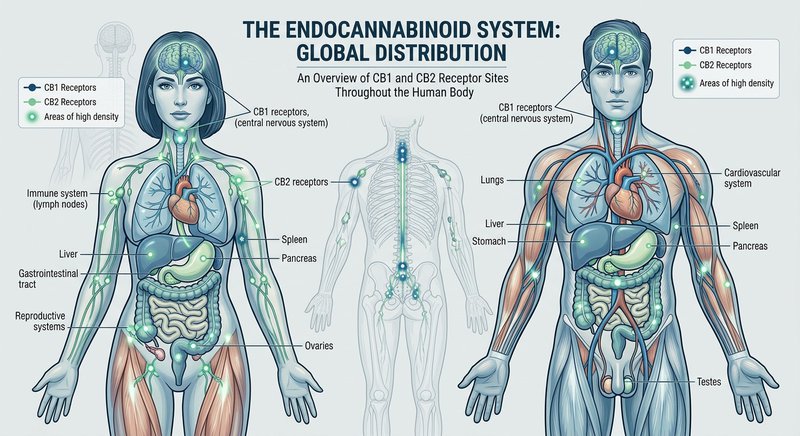
Your body has an endocannabinoid system (ECS), which helps regulate things like stress response, inflammation signaling, and pain perception.
CBD appears to influence that system in ways that may support comfort for some people—particularly when used consistently and paired with recovery basics (sleep, hydration, gentle movement). In simple terms, CBD may interact indirectly with signaling tied to CB1 receptors (often discussed in relation to the brain and nervous system) and CB2 receptors (often discussed in relation to immune and inflammation pathways).
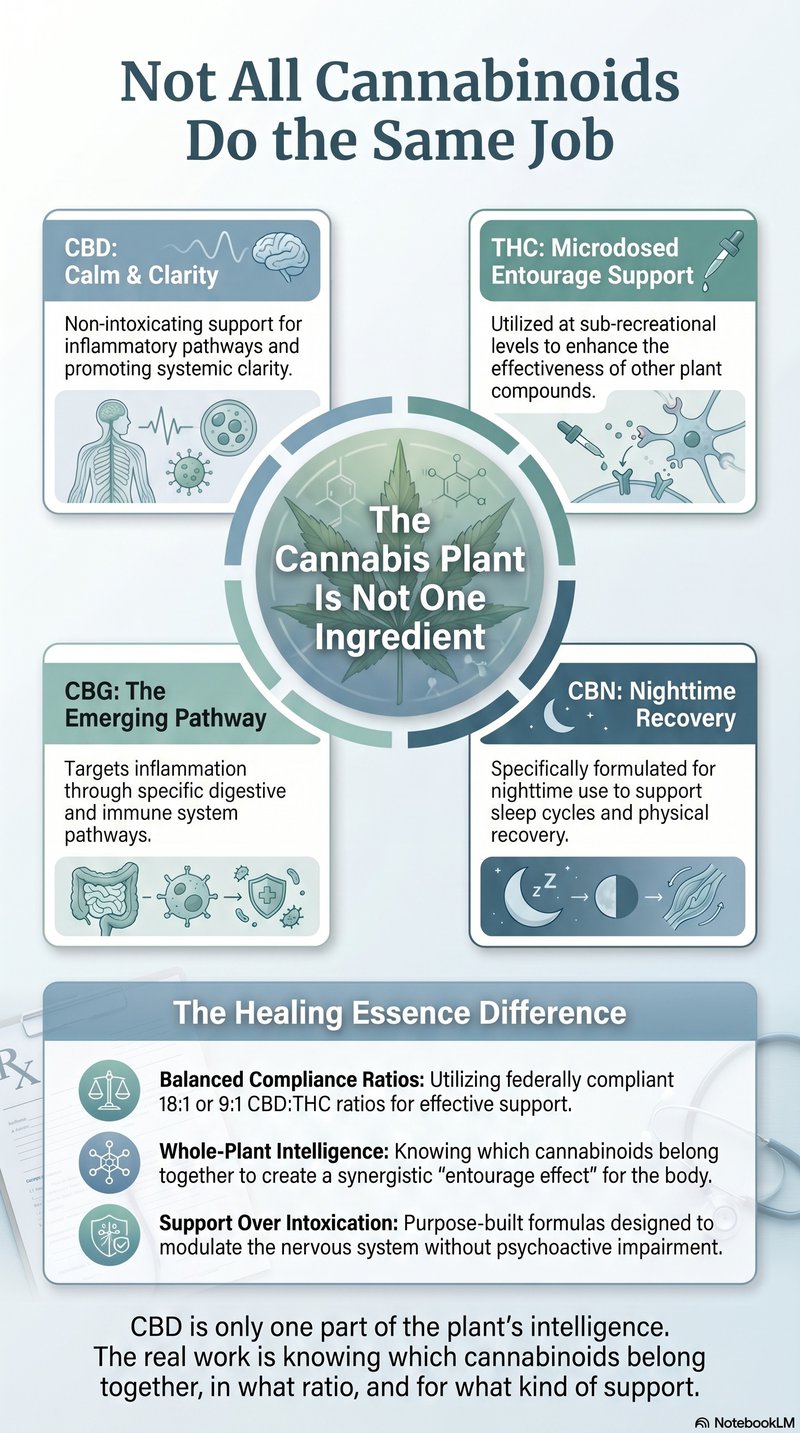
It also helps to know that hemp and marijuana plants contain many different chemical compounds (including cannabinoids and aromatic terpenes). Some people believe certain formulas work best when multiple compounds work together via a synergistic interaction—often called the entourage effect.
If you want a deeper science overview from medical sources, these are helpful:
If you like to read original research summaries, you can also look for a systematic review – PubMed search on “cannabidiol pain” or “cannabinoids inflammation” to see what’s been studied and what’s still uncertain.

Choose your format: topical vs tincture vs capsules vs fast-acting
Different formats fit different real‑life situations.
| Your situation | Often a good first option | Why it can help |
|---|---|---|
| Local soreness or stiffness | Topical (balm, salve, roll‑on) | Targeted support where you apply it |
| Whole-body tension or nighttime discomfort | Tincture or capsules | Consistent routine support |
| You need simplicity and steady dosing | Capsules | Easy, predictable daily use |
| You want faster onset (situational) | Fast-acting formats (if appropriate) | Some people prefer a quicker tool |
If you want systemic support (tinctures)
Some people prefer tinctures when pain impacts sleep, mood, or full‑body recovery:
A quick note on THC: some people also explore THC treatment (including hemp-derived THC options where legal). If you’re considering anything with THC—especially if you’re sensitive, new to cannabinoids, or subject to testing—ask about the product’s THC content and follow conservative dosing. For some medical conditions, THC may feel helpful; for others, it may not be a fit.
If you want a simple daily routine (capsules)
Capsules can be helpful when you want a consistent plan without measuring drops:
If pain is spiking at night, pair this with calm and sleep support
Pain and sleep are closely linked. If your pain tends to rise after dark, you’ll likely benefit from reading our calm/sleep hub next:
(That page is a product page; we’ll also be publishing a full calm hub so you have an educational overview.)
CBD after surgery or dental procedures: what to consider first
Post‑op and dental recovery are high‑stakes times to be cautious.

A patient‑first approach looks like:
- Follow your surgeon/dentist instructions first
- Discuss CBD with your clinician if you’re on medications or have bleeding/clotting concerns
- Prioritize sleep, hydration, nutrition, and gentle mobility
Helpful reading from medical sources:
If you want a Healing Essence overview designed for patients:
For dental recovery support:
A gentle 14-day routine (a realistic starting plan)
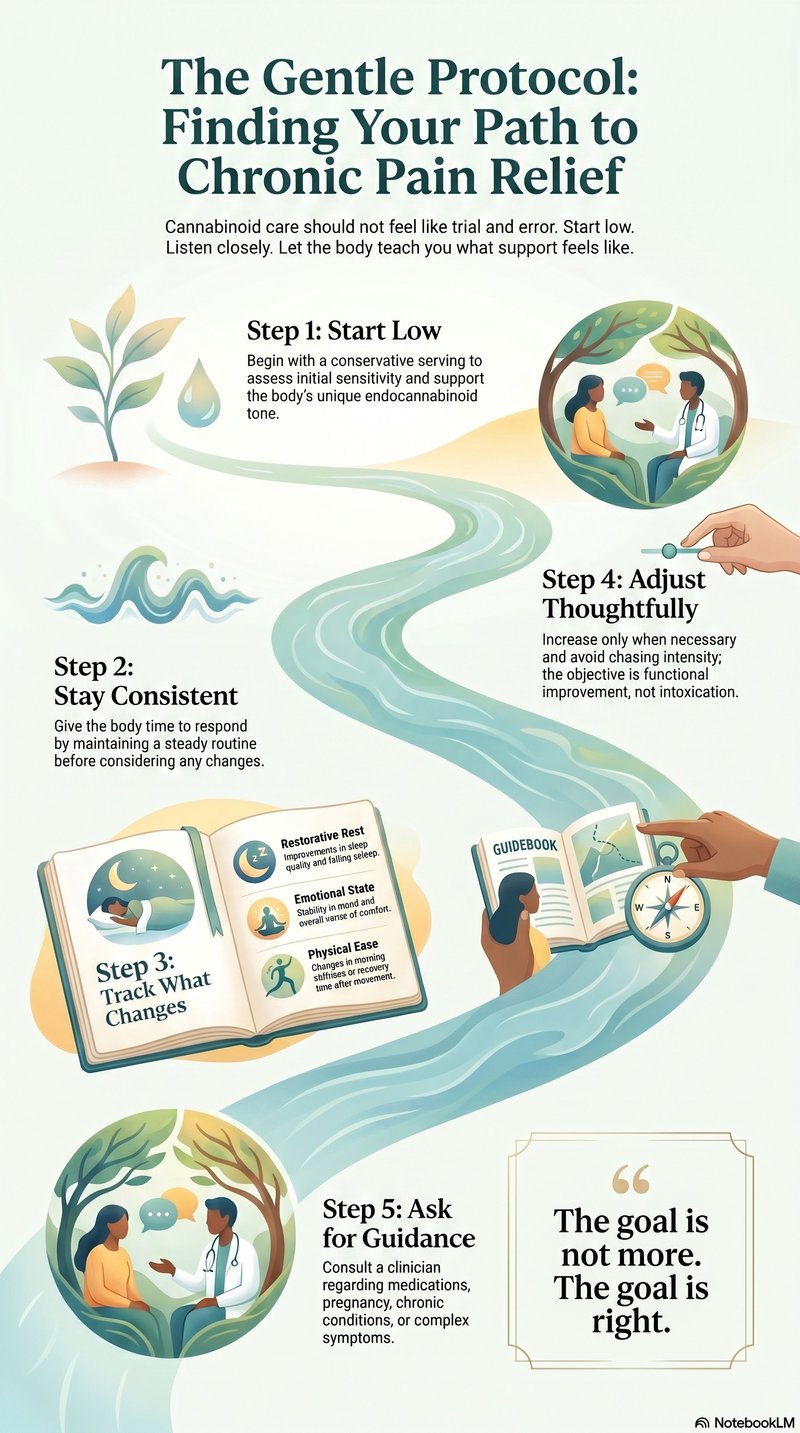
The goal isn’t to do “as much as possible.” The goal is to do what’s appropriate and sustainable.
Days 1–3: establish a baseline
- Choose one format (topical or internal) so you can read your body clearly
- Start low
- Take notes on: pain intensity, sleep, mobility, mood, and triggers
Days 4–14: adjust thoughtfully
- Keep timing consistent
- Increase gradually only if needed
- Pair with one non‑CBD habit you can sustain (short walks, gentle stretching, hydration, earlier wind‑down)
If you want a quick daily “recovery stack,” keep it simple:
- Gentle movement
- Warmth (shower/heating pad, if appropriate)
- Topical support on the area
- A calm wind‑down routine for sleep

Safety notes that matter (especially with medications)
CBD can interact with some medications. It’s especially important to talk with your clinician if you:
- Take blood thinners
- Take seizure medications
- Use sedatives/sleep medications
- Have liver disease
- Are preparing for surgery
Also: if you’re considering products that include THC (for example, a THC Aura Collection item, aura collection wellness blends, or reserve collection THC formulas), make sure you understand dosing, your local laws, and any work/safety requirements. When in doubt, keep it simple and prioritize clinician guidance over internet judgement.
Choosing your next step
If you want targeted support:
If you want systemic routine support:
If you want help choosing a conservative plan:
If you’re building a longer-term plan (especially for arthritis related conditions), consider tracking symptoms during Arthritis Awareness initiatives or community events, and bring your notes to your clinician. Some people also like learning formats like diagnosed podcasts webinars to hear how others combine recovery basics with cannabinoid routines.

If you’re comparing options from a local pain shop or exploring telehealth platforms like plushlth, keep your checklist simple: verify lab testing, confirm cannabinoid amounts, and make sure the plan fits your medical conditions and medications.
A calm reminder: pain support is often built through small, steady steps. You deserve options that feel safe, thoughtful, and realistic.