Pet parents deserve clear guidance—but CBD dosage for dogs and cats is not one-size-fits-all. Your pet’s size matters, but so do age, sensitivity, routine, and medications, which is why the safest approach is not a single number—it’s a method.
This is a CBD-only, safety-first guide to starting low, tracking what you see, and adjusting responsibly over time. It is for education only and is not veterinary advice; if your pet takes medications, has liver or kidney disease, is pregnant, nursing, or medically complex, talk with your veterinarian before starting CBD (also called cannabidiol).
At a glance, this guide covers:
- How to think about CBD dosage for dogs and cats safely
- A simple 6-step “start low, go slow” method (a practical comprehensive guide approach)
- What to track so you’re not guessing
- When to pause and call your veterinarian
If you want the full context around anxiety, mobility, and quality of life, start at the main hub:
- Hub: CBD for pets guide
To explore specific pet formulas you can use with this method:
Before you begin, you can open this in a new tab and keep it handy:
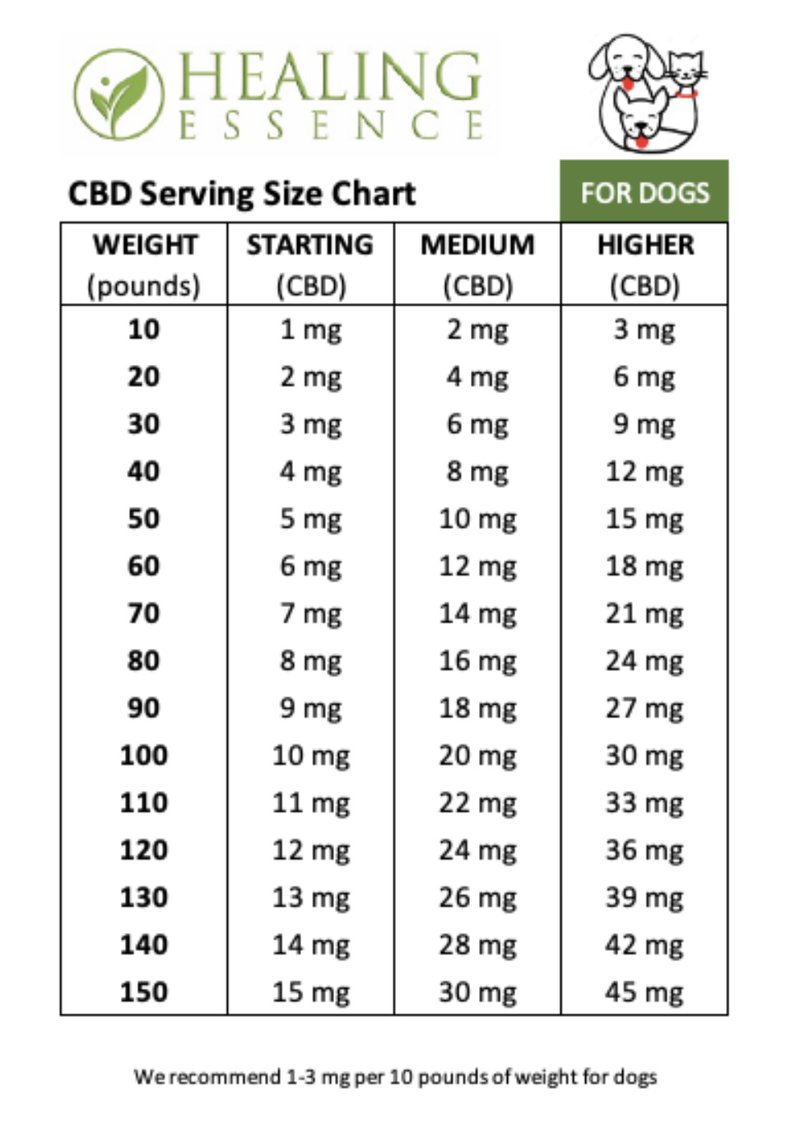
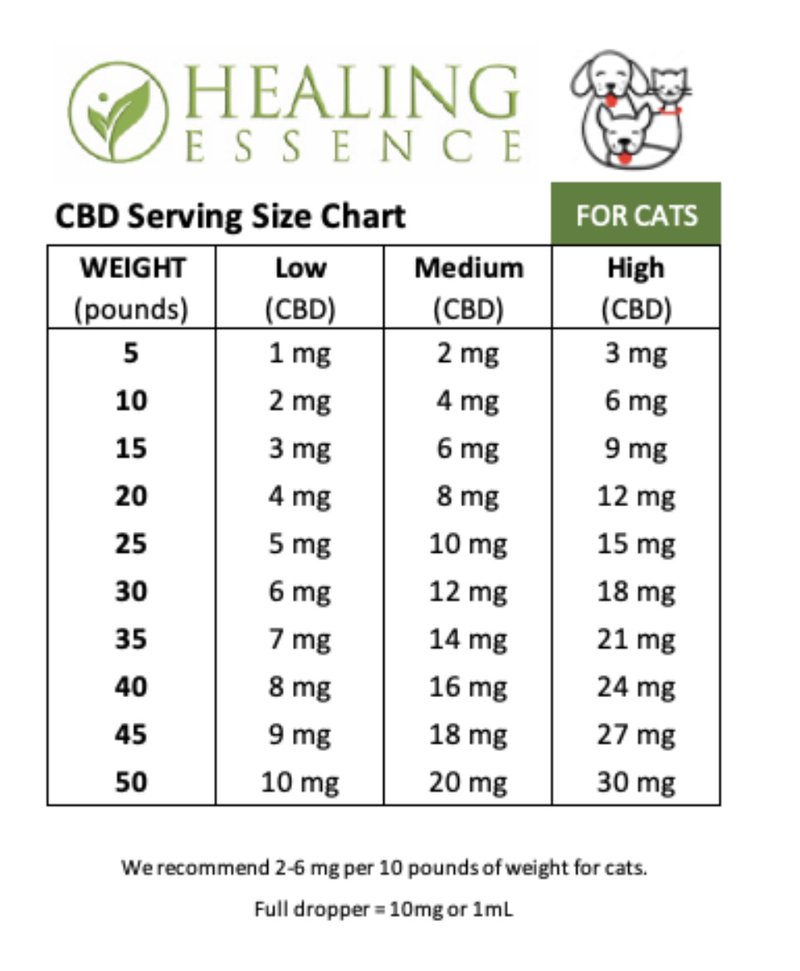
Many online charts suggest ranges like 1–2 mg of CBD per 10 pounds of body weight as a general rule starting point, but real-world CBD dosing for pets often needs more nuance. Two dogs—or two cats—of the same weight can respond very differently.
Variables that can influence how your pet responds include:
- Sensitivity to new supplements
- Activity level and daily energy demands
- Baseline stress or anxiety
- Diet, digestion, and weight stability
- Concurrent medications or health conditions
- Age, especially seniors (older dogs), puppies (younger dogs), or kittens
Why the difference? Even though we don’t have perfect pet-specific data, pharmacokinetics (how the body absorbs, distributes, metabolizes, and eliminates cannabidiol) can vary by species, individual needs, and overall cbd dog health status—especially when pets are older, medically complex, or taking other medications.
Because of this, many veterinary and pet-CBD sources recommend starting low and going slow rather than jumping straight to a high “target” number. Instead of chasing a single CBD dose, you’ll use a careful adjustment plan that fits your pet’s actual response and helps you find your pet’s ideal cbd dosage and correct dose over time.
For a deeper look at when CBD might be appropriate, you can refer back to:
If anxiety is your main concern, you can pair this dosing method with:
- Dog-focused: (link to “CBD for dog anxiety” spoke)
- Cat-focused: (link to “CBD for cat anxiety” spoke)
Different brands may publish specific milligram ranges, but a method-based approach gives you more control and supports safer CBD use for both dogs and cats. Think of this as a six-step framework you can reuse whenever you introduce or adjust CBD—whether you’re a first-time pet parent with a new pup, or you’re supporting an older companion with mobility restrictions.

Step 1: Choose One Primary Goal
Clarify what you’re actually trying to support before you think about numbers (your “why” or purpose):
- Everyday calm or stress resilience
- Comfort and mobility support (including stiffness or chronic pain support)
- Situational stress (travel, guests, fireworks, storms, vet visits)
If your goal is primarily anxiety, you may want to read:
- (link: “CBD for dog anxiety” spoke)
- (link: “CBD for cat anxiety” spoke)
If your pet has severe medical conditions (for example, you’re trying to control seizures alongside prescribed care), involve your veterinarian before making changes, since dosing decisions and monitoring matter more.
Step 2: Choose a Format You Can Use Consistently
The “best” CBD for pets is the one you can use every day without a struggle.
- Oils/tinctures: Often allow more flexible adjustment than treat-style options, since you can measure small changes more precisely (and you can do careful weight-based dosing with fewer variables).
- Treats/chews: May be easier to give but can be harder to fine-tune and may have slower onset.
Some brands also use alternative delivery formats (for example, microencapsulated oil beads in soft chews, or a cbd-infused transdermal cream for localized comfort). If you’re comparing formats, think in terms of consistency and tracking—especially if you’re switching between 3 formulations (oil, treats, topical) over time.
You can compare flexible options here:
Step 3: Pick a Consistent Time
Consistency makes CBD dosage patterns easier to see.
- Choose one or two times per day (for example, morning and/or evening).
- For situational stress (like travel or vet visits), you may still want a baseline routine, then adjust timing around known triggers.
If you’re dosing for storms or fireworks, see the timing advice in:
- (link: “CBD for dog anxiety” spoke, noise section)
Step 4: Start With a Very Small Amount
General guidance from pet-CBD brands often lands around 1–2 mg of CBD per 10 pounds of body weight as a gentle starting point, with higher doses sometimes used for more intensive support. However, it is reasonable—and often safer—to begin even lower if your pet is sensitive, older, or on medications.
A helpful mindset: start low enough that you feel comfortable watching and learning rather than bracing for side effects. You can always adjust upward; it’s harder to undo an overly large first dose.
If you like numbers, you can treat this as a “typical cbd dose starting range” rather than a hard rule, and then personalize from there based on response.

Step 5: Hold Steady for 2–3 Days
Resist the urge to adjust CBD dose every day.
- Keep the amount, timing, and product the same for at least 2–3 days.
- Let your pet’s body show you how they respond, instead of chasing fast results.
If you’re tracking onset after a dose, note the first min you see changes (if any), and whether the effect is consistent dose-to-dose.
Step 6: Adjust Slowly, One Change at a Time
If you change the amount, timing, and product all at once, it’s hard to know what actually helped.
- Adjust in small increments (for example, a modest increase in CBD mg per dose).
- Change only one variable at a time.
- Give each adjustment a few days before making another change.
A calm routine almost always beats a big dose. Consistency is the real “secret ingredient,” not aggressive escalation.
If you’re tempted to jump straight to a “big number,” remember: most dog owners get better results by dialing in the proper dosage gradually than by guessing at a high target on day one.
If your main question is how much CBD to give a dog or cat with anxiety, use this page for how much and how to adjust, and use the anxiety spokes for when and how to time CBD around real-life stressors.
For specific scenarios:
- Dogs: (link “CBD for dog anxiety” spoke – separation, noise, guests)
- Cats: (link “CBD for cat anxiety” spoke – separation, travel, grooming)
You can return here any time you change:
- Your goal (for example, from situational calm to mobility support)
- Your format (for example, from oil to treats)
- Your product strength or cannabinoid profile
If you’ve ever used a dosage calculator in human medicine, treat pet CBD tools as a rough helper—not the final answer—because pets can vary widely in sensitivity and pharmacokinetics.
You don’t need a spreadsheet or dosing calculator to be effective; you just need a few clear anchor points.
Helpful things to jot down:
- Sleep quality: Restless vs. settled, nighttime waking
- Appetite: Normal, increased, decreased, or picky
- Energy: Sluggish, typical, or slightly more comfortable and engaged
- Reactivity/stress behaviors: Barking, pacing, hiding, startle responses
- Comfort/mobility: Stairs, getting up, walks, play, or jumping on furniture
Pick one or two “anchor behaviors” that matter most to you (for example, “settles within 30 minutes after I leave” or “less stiffness on stairs in the morning”) so progress is clearer over time.
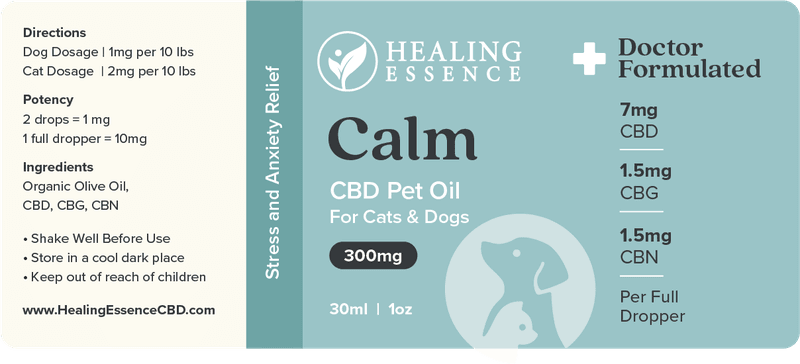
Tip: when you record amounts, write the CBD mg clearly (and keep your math consistent). If you’re calculating mg from a dropper or label, it can help to write the number out to a decimal (for example, 0.5 mL) so you can repeat the same dose accurately.
If behavior is your primary focus, you can also review:
- (link: “CBD for dog anxiety” spoke)
- (link: “CBD for cat anxiety” spoke)
A brief snapshot of how CBD dosage for dogs and cats often differs in practice:
| Starting approach | Weight-based ranges plus observation, often 1–2 mg CBD per 10 lbs as a gentle starting point | Start even lower per pound, taste and routine sensitivity matter; many guides recommend very conservative first doses |
|---|---|---|
| Common goals | Anxiety (separation, noise), mobility, recovery support | Anxiety (environmental, separation), stress-related behaviors, sometimes appetite support |
| Format notes | Oils or chews; many dogs accept flavored or unflavored oils | Oils or soft formulas; more sensitive to flavor and texture, may prefer tiny amounts mixed with food |
You can apply the same start low, go slow framework to both species; the main differences are sensitivity, flavor preferences, and the specific behaviors you’re tracking.
Example (weight-based dosing mindset, not a prescription): a 75 lb dog may start in a different place than a 10 lb cat, even if the “chart math” looks straightforward. Also, your pet’s individual needs matter—anxious younger dogs may respond at lower amounts, while older dogs with stiffness may sometimes need slower titration to find the ideal CBD dosage without unwanted sedation.
CBD appears to have a relatively wide safety margin in dogs and cats when products are well-sourced, low in THC, and used conservatively, but side effects and interactions are still possible.
Pause use and consult your veterinarian if your pet shows:
- Unusual sleepiness or sedation that feels out of character
- Wobbliness, uncoordinated movement, or difficulty walking
- New agitation, restlessness, or significant behavior change
- Vomiting, diarrhea, or notable digestive upset
Also consult your veterinarian before starting CBD if:
- Your pet is on prescription medications (especially for seizures, pain, or chemotherapy)
- Your pet has liver or kidney disease
- Your pet is very young, pregnant, or nursing
- Your pet has a complex medical history or is already under specialist care
You can make that conversation easier by sharing:
- COAs (certificate of analysis)
- CBD for pets guide
- (Optional) This dosing page printed or bookmarked
Because CBD regulation is still evolving, labels do not always match what’s in the bottle. Third-party testing is one of the best ways to reduce uncertainty and support safer CBD dosage for pets over time.
Look for:
- Third-party COAs that show CBD potency and screening for contaminants (heavy metals, residual solvents, microbes)
- Clear cannabinoid content per serving so you can calculate mg per dose (and confirm you’re not accidentally taking a much larger amount like 150 mg per serving when you meant a small starting dose)
- Pet-appropriate formulas that are high in CBD and very low in THC
- Transparent information on sourcing and extraction
If you ever see non-English notes on lab paperwork, keep the focus on the data tables (potency and contaminants). Some COA templates include translated language like “sante ont ete” alongside quality statements—what matters most is that the numbers and test panels are clear and complete.
You can review Healing Essence testing and product details here:
For many households, the simplest plan is also the most sustainable.
Days 1–3
- Start with a very small amount, once or twice daily
- Give it at the same time(s) each day
- Observe sleep, appetite, comfort, and your chosen anchor behaviors
Days 4–7
- Adjust slightly only if needed, based on what you see
- Keep brief notes so you’re not relying on memory
- Continue to watch for both subtle improvements and any potential side effects
From there, you and your veterinarian can decide whether to hold steady, adjust, or revisit the broader plan—especially if you’re addressing chronic pain, recovery, mobility restrictions, or severe medical conditions.
Next steps:
- Learn when and how to time CBD around real-life stressors:
- (link: “CBD for dog anxiety” spoke)
- (link: “CBD for cat anxiety” spoke)
- Return to the hub for safety, scenarios, and product selection:
- Compare formulas: