This article is for education only and is not veterinary advice. If your cat takes medications, has a diagnosed health condition, or is under active veterinary care, talk with your veterinarian before starting CBD.

- Hub: CBD for pets guide
To explore formulas designed for cats and dogs: - Browse pet CBD products
Common starting options: - CBD pet formula
- CBD oil for pets
Transparency and testing: - COAs (certificate of analysis)

Cats don’t always show anxiety the way dogs do, and many signs can be easy to misread. Before you introduce CBD, it helps to know what you’re watching for—especially when you’re trying to tell the difference between temporary anxiety, short-term anxiety, and longer-running patterns that can shape the nervous system over time.
Possible signs of cat anxiety include:
- Hiding more than usual or avoiding contact (avoidant behavior)
- Sudden aggression, swatting, or redirected aggression (reactive behaviors)
- Overgrooming or hair loss in specific areas
- Litter box changes (avoiding the box, accidents, or new locations)
- Pacing, restlessness, or increased vocalizing
- Clinginess, shadowing you constantly—or the opposite: withdrawal
- Trigger-based anxiousness (for example: doorbells, visitors, carriers, or certain sounds)
When you support your cat with CBD and environmental changes, progress often looks subtle—and it can be a sign of healthier patterns and balanced behaviors, not “perfect behavior”:
- Quicker recovery after stressful events (guests, noises, changes in the home environment)
- More normal sleep, play, and appetite patterns
- Less overgrooming or hiding
- Slightly softer body language and more relaxed resting spots
- More healthy emotional responses after a startle (instead of escalating into such distress)
For a broader context on behavior, mobility, and quality of life, you can return to the hub:
Cat parents typically explore CBD when their cat’s usual coping strategies no longer feel like enough. CBD (cannabidiol) is a popular wellness option, often described as a nonaddictive compound, and in practice, CBD for cats is often considered to support:
- Calmer transitions: Moving homes, new people or pets, changes in routine
- Separation stress: Distress when you leave, especially in very bonded cats (including stress around brief separation)
- Travel and vet visits: Car rides, carriers, and clinical settings that trigger fear
- Grooming stress: Brushing, nail trims, or hygiene care that reliably causes tension
- Noise sensitivity: Support for soothing noise phobias (thunder, construction, fireworks)
CBD is not a substitute for veterinary care, behavior work, or environmental changes, and it is not a cure for behavior disorders or neuropsychiatric disorders. But for some cats, a consistent, gentle CBD routine—paired with predictability, enrichment, compassionate handling, and (when welcomed) physical contact—may help support calmer, more stable days and a more relaxed life.
If you want to compare formats first, you can begin here:
Cats can be more sensitive than dogs to changes in taste, routine, and dosing, which is why conservative beginnings matter. Most problems arise when too much CBD is introduced too quickly or when products aren’t clearly labeled and tested.
Many cats do best with:
- Very small starting amounts
- Consistent timing each day
- Slow, careful adjustments only when needed
- Managing expectations: CBD routines tend to support steadiness in the same manner that enrichment and predictability do—small inputs, repeated consistently

Days 1–3
- Choose one consistent time daily (often evening is easiest for observation)
- Start with a very small amount of a pet-appropriate CBD oil
- Observe baseline: sleep, appetite, mood, grooming, litter box habits, and social behavior
Days 4–7
- Adjust slowly only if needed, based on what you actually see
- Keep a simple log (morning, evening, and any major stressors) so you’re not guessing
The goal isn’t to sedate your cat. The goal is “more ease”—a cat who can rest, groom, and explore without feeling constantly on edge. If your cat seems overly sleepy, uncoordinated, or simply “not themselves,” pause and reassess with your veterinarian.
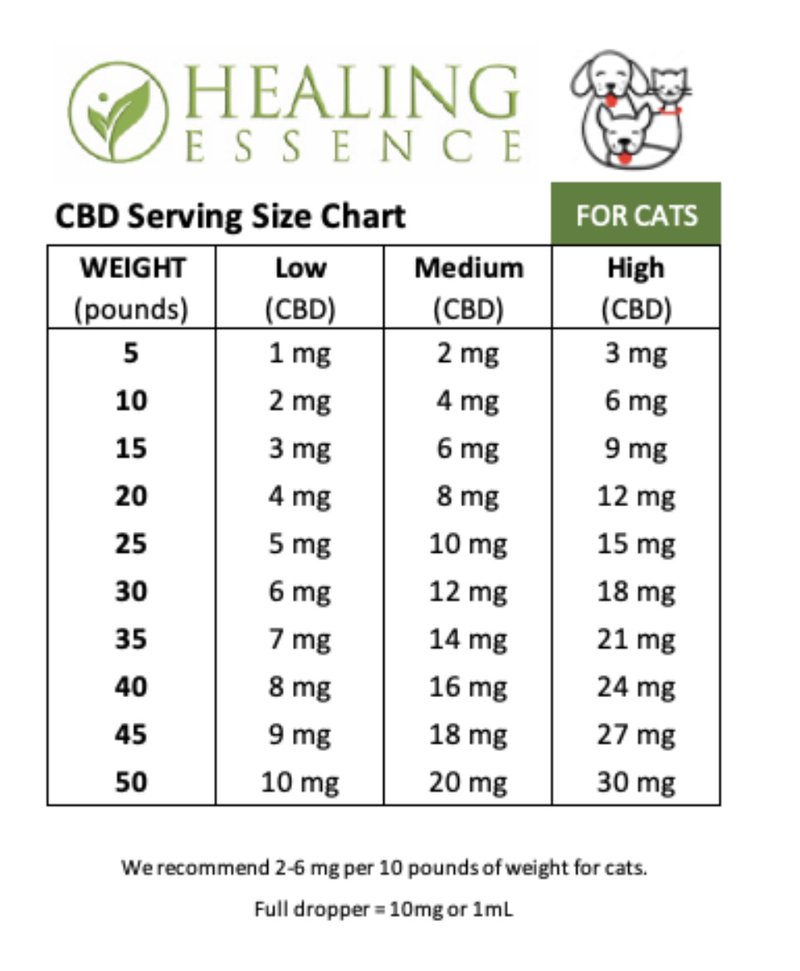
For flexible dosing across different cat sizes, many families start with:
This spoke focuses on the real-life moments where cat parents most often ask about CBD—and how to weave CBD into a routine instead of using it only during crises. This is especially useful for situationl anxiety that shows up in predictable, repeatable situations.
Scenario 1: Separation Anxiety in Cats
Research suggests CBD may have anxiety-reducing effects in some cats experiencing separation from caregivers, although findings are still emerging and not uniform (including questions around placebo administration in certain study designs). In the home, separation stress can look like excessive vocalization, overgrooming, inappropriate elimination, or distressed behavior when you leave or come home.
Supportive pieces may include:
- Predictable schedules for feeding, play, and rest
- Enrichment (interactive play, puzzle feeders, vertical space) so your cat has engaging things to do
- A calm CBD routine that’s daily rather than only on “high-stress” days
- A “secure base effect” routine: a consistent pre-departure pattern (food, play, a calm cue, then leaving) that helps your cat predict what’s happening and recover more smoothly
If separation is your primary concern, pairing CBD with a consistent morning or pre-departure routine may be especially helpful—particularly for cats that struggle with brief separation versus extended time alone. You can explore suitable oils here:
Scenario 2: Travel or Vet Visits
Travel and veterinary visits are some of the most common triggers for acute cat anxiety and short-term anxiety. Studies suggest CBD may influence stress markers and resistance to handling in cats, though sedation and individual variability are important to monitor (and it’s important not to confuse “quiet” with “okay”).
A practical framework:
- Practice with the carrier at home first (door open, treats, soft bedding)
- Start CBD earlier than the stressful moment, not in the parking lot
- Keep the carrier familiar and comfortable, with a towel that smells like home
- Combine CBD with gentle handling, quiet voices, and clear communication with your veterinary team
For these short, predictable stressors, many families pick a format they can give reliably 30–60 minutes before leaving, in line with veterinary advice.
Scenario 3: Grooming and Handling Stress
Grooming stress can show up as swatting, biting, running away, or intense tension during brushing, nail trims, or hygiene care. Because grooming is often ongoing over a cat’s life, the goal is to build tolerance slowly rather than forcing long, stressful sessions.
Supportive strategies include:
- Shorter grooming sessions with clear breaks
- A calmer environment (quiet room, non-slip surface, gentle voice)
- Pairing grooming with rewards your cat genuinely cares about
- A steady CBD routine that supports overall calm, not just “grooming days”
If grooming anxiety is your main concern, a low-and-slow daily CBD routine may help soften the edges of stress while you rebuild trust around handling—especially if difficult behaviors are linked to past broken bonds.
Any time you add CBD to your cat’s routine, observation and conservative dosing are essential.
Pause use and consult your veterinarian if you notice:
- Unusual wobbliness, difficulty jumping, or uncoordinated movements
- Major changes in appetite or water intake
- Vomiting, diarrhea, or significant digestive upset
- New or intense agitation, restlessness, or vocalization (sometimes this can look like temporary anxiety)
- Marked sedation that doesn’t feel like your cat’s normal rest
This is especially important if the product contains THC, even in very small amounts, as cats can respond differently than humans or dogs.
For more detail on safety considerations and medication interactions, you can refer back to:
Not every “hemp” or “CBD” product is appropriate for cats. Product quality, THC content, and third-party testing all shape safety, especially when you’re using CBD for ongoing anxiety support.
Look for:
- A clear, simple ingredient list (avoid unnecessary additives or flavorings that aren’t cat-safe)
- Clearly labeled cannabinoid content per serving
- Pet-specific or pet-appropriate formulas, rather than high-strength human oils
- Third-party Certificate of Analysis (COA) showing cannabinoid potency and contaminant screening (including heavy metals)
- Clear guidance on potential side effects and what to do if your cat seems “off”
- If you prefer hemp extracts, ask your veterinarian what’s appropriate for your cat (some brands use organic full spectrum hemp; others use CBD isolate)
You can review Healing Essence’s testing here:
And compare pet formulas here:
If you’re ready to explore CBD for cat anxiety, the best product is the one you can use consistently, safely, and without overwhelming your cat.
Common starting options for cats include:
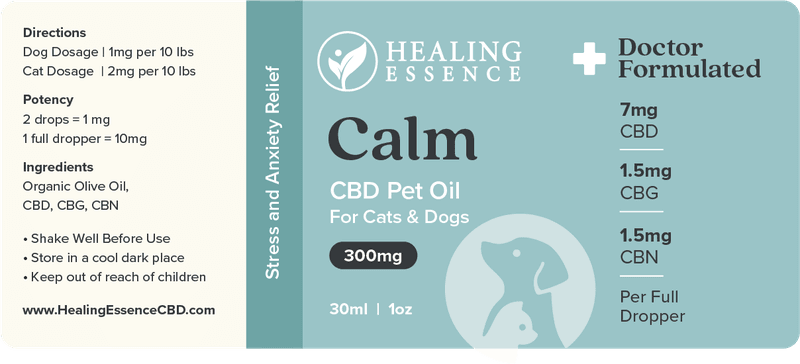
- CBD pet formula – designed for flexible dosing across cats and dogs:
- CBD oil for pets – a versatile option that can often be mixed with a small amount of food (including certain pet foods, if your cat will accept it):
- Full collection:
Before starting, you can cross-check each product with the matching lab report for a clearer understanding:
If you’re comparing options, keep it simple: dosing calculator product ingredients lab results.
Will CBD make my cat feel “high”?
CBD-only or CBD-forward products for pets are not intended to create an intoxicating effect, and many veterinary sources recommend THC-free or very low-THC formulas for cats. Still, sensitivity can vary, so it’s important to choose pet-appropriate products and review COAs before use.
How long until I notice changes?
Some cat parents notice subtle shifts within hours of a dose, especially around predictable stressors like travel or vet visits, while others see more benefit over several days or weeks of consistent use. Small changes in rest, grooming, and reactivity often appear before dramatic “before/after” moments.
In many cases, the goal is to reduce reactive behaviors and help interrupt negative neural pathways (stress loops) that can contribute to resulting negative brain functions—without pushing your cat beyond their comfort zone.
Are there other reasons pet parents ask about CBD?
Yes—there’s a wide range of “why,” and your veterinarian should guide what’s appropriate for your individual cat. Some pet parents ask about pets benefits beyond anxiety support (for example: senior comfort, joint pain, or situational stress), while others ask questions during public health headlines (for example: avian influenza) and want a safety-forward plan that doesn’t replace veterinary guidance.
If you’d like an additional mainstream reference point, you can also browse educational resources like petmd as a starting place—then bring questions to your vet.
Where should I go next?
If you’d like the full hub that covers both dogs and cats, dosing philosophy, and safety in more detail:
If you’re ready to compare formulas and testing: