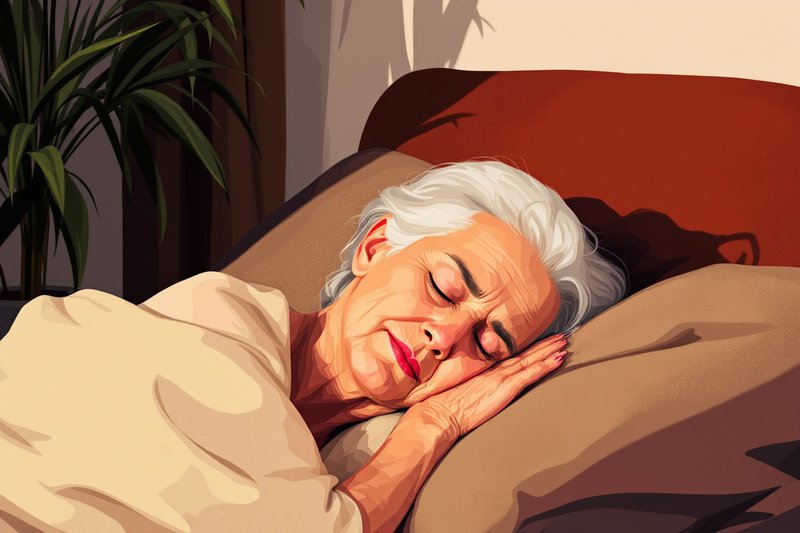
It is the body’s nightly repair system.
And when sleep breaks down, it rarely stays a nighttime problem. It follows you into the next day as brain fog, irritability, cravings, low resilience, pain sensitivity, and that familiar feeling that your nervous system never fully powered down.
At Healing Essence, we do not believe the goal is to be “knocked out.”
The goal is to feel supported down.
Not forced.
Not sedated.
Supported.
That distinction matters.
Because better sleep is not just about taking something at night. It is about understanding what is keeping your body alert in the first place.
Stress.
Pain.
Hormones.
Racing thoughts.
Late-day stimulation.
A nervous system that has forgotten how to soften.
This guide will help you understand where CBD (cannabidiol) and CBN may fit, what current research suggests, how to choose the right format and timing, and how to build a simple nighttime ritual you can actually repeat.
A quick plant note for context: hemp is cannabis sativa, and many people also hear about cannabis indica—often described as the 2 main species in everyday conversation. Historically, the plant has been used since ancient times for fibers and oil, and today there’s a plethora of products marketed for different ailments—so we focus on evidence-aware protocols, not hype.
A supportive pairing for your bedtime ritual: CBD for sleep aid with meditation and breathwork
CBD may help some people sleep better.
Not everyone.
Not every night.
Not in the same way.
Effects vary by person, product, dose, timing, and the reason sleep is disrupted.
That is why we do not treat CBD like a sleeping pill. We treat it like a support tool.
Recent research suggests CBD may be most useful when sleep issues are connected to stress, anxious rumination, pain, or nervous system overactivation (including some anxiety-related disorders). In other words, CBD may not “make” the body sleep as much as it may help remove some of the barriers that keep sleep from happening.
That is an important distinction.

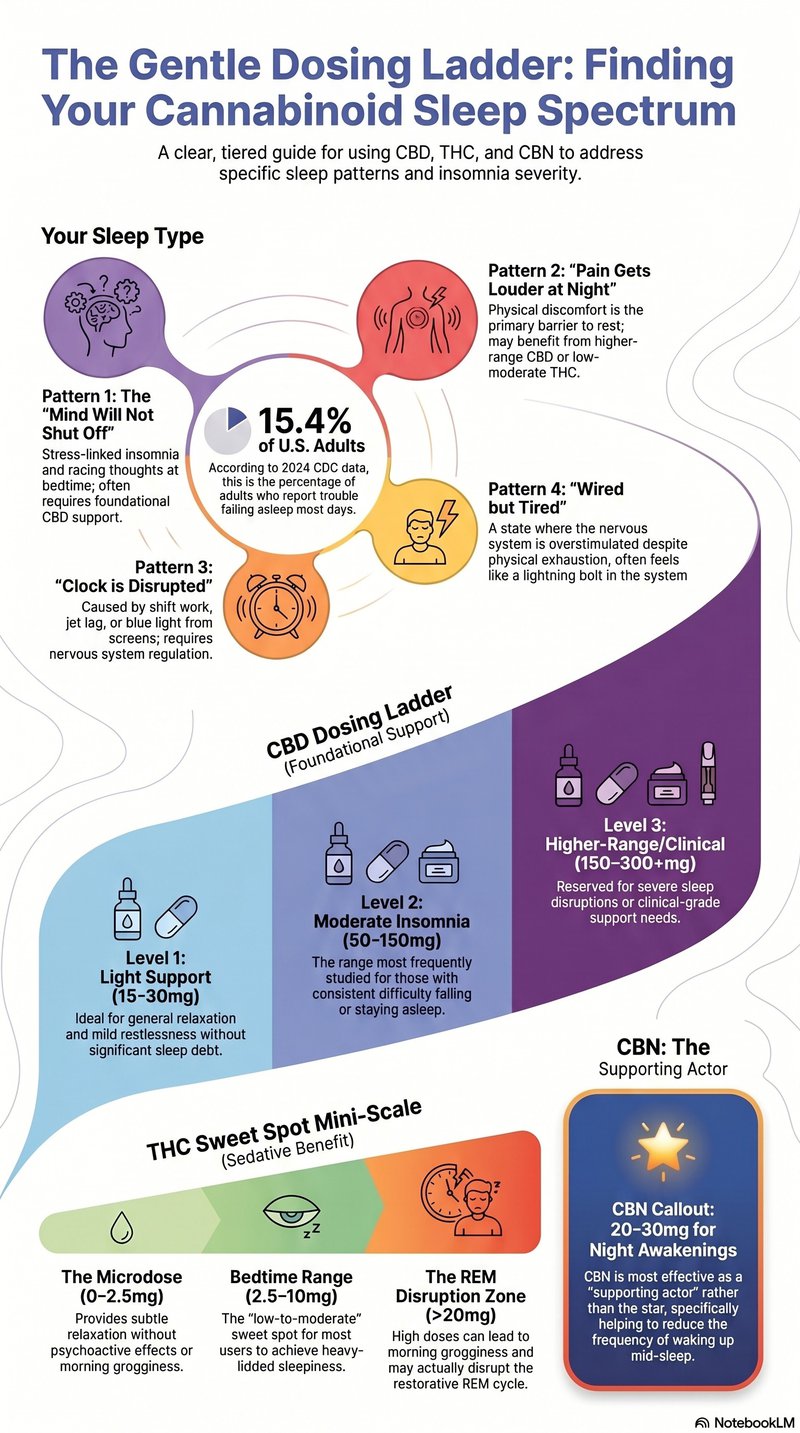
Other clinical trials are now testing nightly CBD doses in the 75–150 mg range over longer periods, reflecting growing interest in moderate-dose CBD for insomnia. But the science is still developing, and study duration, clinical population selection, and the use of validated instruments (including how anxiety scores are tracked) can change what outcomes look like across scientific publications and the broader psychiatric literature.
Another 2024 trial studying low-dose CBD combined with melatonin suggested that chronic low-dose CBD use appeared safe and may support sleep quality, though benefits did not exceed melatonin alone.
So where does that leave us?
With a grounded view.
CBD is promising.
CBD is not magic.
CBD works best when matched to the real reason sleep is being disrupted—and to the clinical application you actually need (winding down, staying asleep, pain-related sleep disruption, etc.).
For many people, that reason is not a lack of sedation. It is too much activation.
Too much stress.
Too much discomfort.
Too much thinking.
Too little rhythm.
That is why Healing Essence approaches sleep through protocols, not promises.
For a broader research overview, see:
- Sleep Foundation: CBD for sleep
- Harvard Health: Can CBD gummies help you sleep? (harvard health, sweet dreams)
Promising? Yes.
Popular in sleep formulas? Yes.
Fully settled science? Not yet—there are still few clinical studies compared to CBD.
That is why we speak carefully about CBN.
CBN is not a sleep switch.
It is a nighttime-support cannabinoid that may be helpful when paired thoughtfully with CBD, low-dose compliant THC, consistent timing, and a real bedtime routine.
Recent randomized, placebo-controlled studies have started to examine CBN more closely. Some early findings suggest CBN-containing formulas may help reduce nighttime awakenings and sleep disturbances, but the evidence is still young, and many studies include other ingredients.
CBD may help ease stress-linked wakefulness.
CBN may add nighttime support.
Low-dose THC, when federally compliant and carefully formulated, may contribute to the entourage effect without intoxication.
That is the Healing Essence lens:
One plant.
Many pathways.
No guesswork.
Evidence-aware reading: Sleep Foundation: CBN for sleep
The better question is not, “Which CBD product is best?”
The better question is:
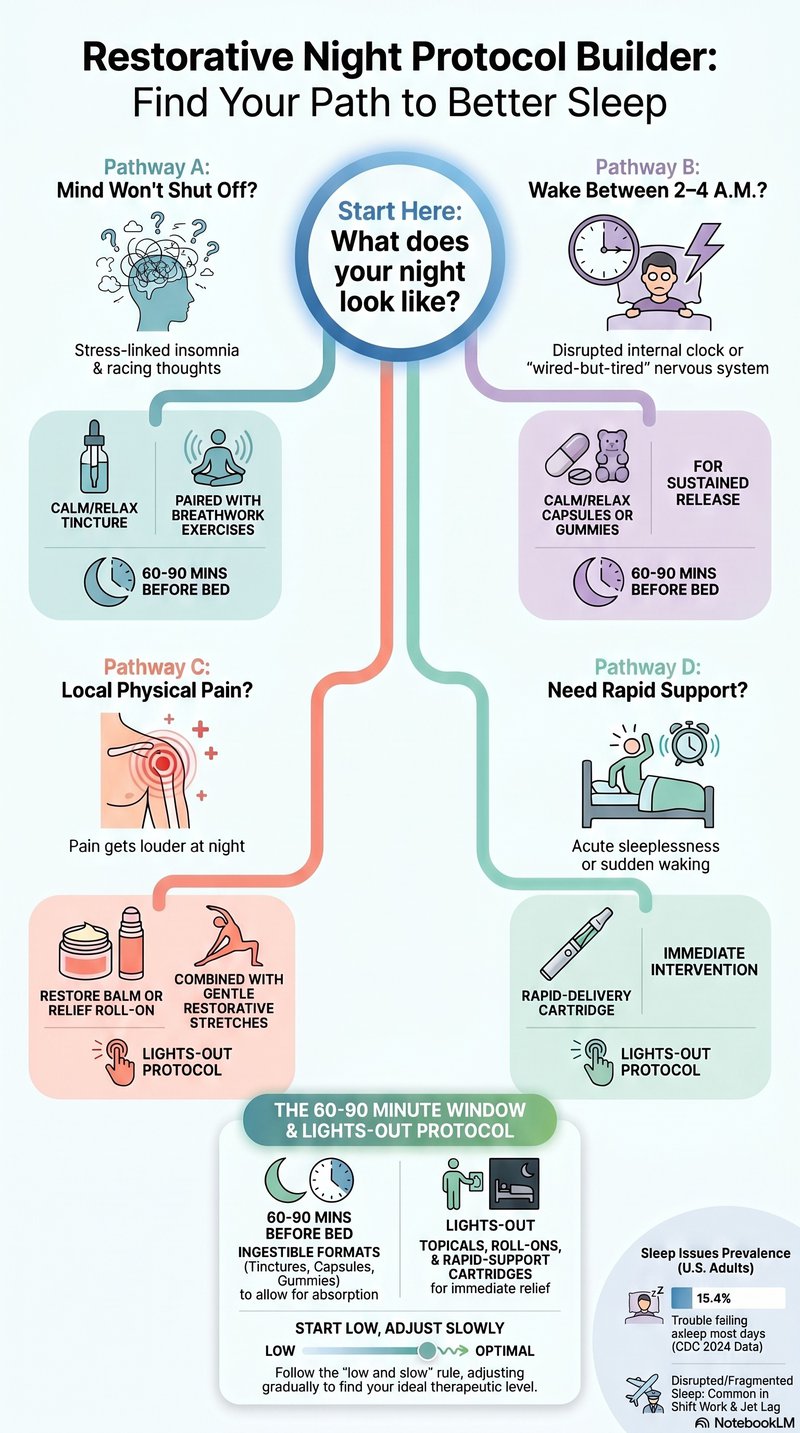
What kind of night are you trying to support?
Because winding down is different from staying asleep.
Pain-related sleep disruption is different from stress-related insomnia.
A racing mind needs a different approach than a body that wakes at 3 a.m.
And yes—different strains and terpene profiles can feel different for some people, but we still anchor your plan in predictable dosing and routine.
If you want a timing-first overview, start here: CBD for sleep aid: the best time to take it
If you have trouble winding down
Choose a format that helps create an evening transition.
A tincture can be a strong fit because it is flexible, adjustable, and typically easier to personalize than a fixed-dose capsule or gummy.
This matters when the issue is not deep insomnia, but the inability to shift gears.
You are tired.
Your body is tired.
But your mind is still in motion.
For this kind of night, the goal is not to overpower the system. It is to invite the system into a different state.
Pair your dose with a repeatable ritual:
Dim the lights.
Put the phone away.
Slow the breath.
Let the body learn the pattern.
CBD works better when your routine stops arguing with it.
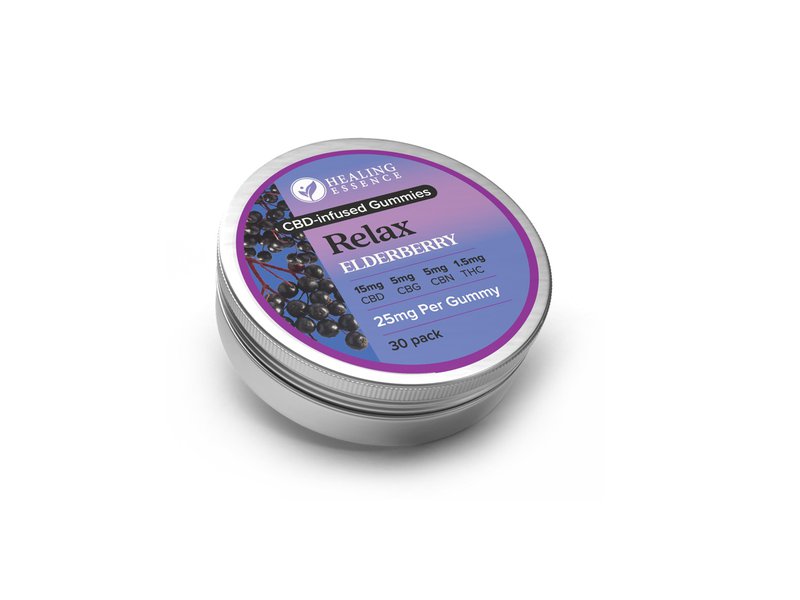
Oral formats like capsules and gummies may be better suited for people who need longer-lasting support.
They can take longer to feel because they move through digestion, but that slower onset may be useful when the goal is sustained nighttime support.
This is where CBD + CBN formulas may fit.
Not because they “knock you out.”
Because they may help support a calmer sleep window.
For many people, waking at night is not random. It can be connected to pain, stress hormones, blood sugar shifts, inflammation, or the nervous system scanning for threat.
The protocol should match the pattern.
If pain is disrupting sleep
Pain changes the sleep conversation.
When the body is uncomfortable, sleep becomes lighter. More fragile. Easier to interrupt.
In this case, nighttime support may need to include both internal and localized care.
A capsule or tincture may support whole-body calm.
A topical may support a specific area.
A consistent evening routine may help the nervous system stop bracing.
Explore: CBD for pain relief
Explore: Healing Essence topicals (salves and oils)
If you need faster bedtime support
Some people need faster onset support at bedtime.
Inhaled formats tend to act more quickly than oral formats, though they may not last as long. This can make them a fit for occasional, fast bedtime support rather than all-night coverage.
Use this category thoughtfully.
Fast does not mean better.
It means different.
Explore: CBD vape pen guide (510 battery): voltage, safety, and cartridge tips
Optional deep dive: Getting voltage right for CBD 510 cartridges
Explore: CALM cartridge

CBN is commonly associated with sleep support, but high-quality human research is still limited.
CBD has a broader research base, especially when sleep problems are connected to anxiety, stress, pain, or daytime nervous system activation.
Many nighttime formulas pair CBD and CBN because they may support different parts of the sleep experience.
CBD may help calm the stress response.
CBN may support nighttime relaxation.
A compliant full-spectrum formula may offer broader plant synergy.
But more is not always better.
The goal is not the strongest formula.
The goal is the right formula for your body.
That is why Healing Essence favors guided, symptom-first support over trial-and-error shopping.

And anyone pretending there is has not spent enough time with real people.
Body chemistry matters.
Medication use matters.
Pain levels matter.
Stress levels matter.
Cannabinoid sensitivity matters.
Product format matters.
The best starting point is usually low and consistent.
Start with a modest dose.
Take it at the same time each evening.
Track what changes.
Adjust gradually.
For some people, the first sign is not “I slept eight hours.”
It may be:
“I felt calmer going to bed.”
“I woke up fewer times.”
“I fell back asleep more easily.”
“I did not feel as wired at night.”
“I felt more restored in the morning.”
That is useful information.
Sleep protocols are built through observation, not guessing.
At low doses, THC (tetrahydrocannabinol) may support relaxation for some people. At higher doses, it may increase anxiety, disrupt sleep architecture, or leave people feeling foggy the next day—partly because of its psychoactive properties and how it can affect consciousness.
That is why Healing Essence products are formulated to remain federally compliant and non-intoxicating, with less than 0.3% THC by dry weight (0.3% thc).
Our approach is not THC-forward.
It is balance-forward.
Many Healing Essence formulas use CBD-dominant ratios, such as 18:1 or 9:1 CBD to THC, designed to support the body without disrupting clarity.
This is plant-based precision.
Not recreational intensity.
Not recreational use.
Not maximum strength.
Not “more is better.”
Measured support.
Clear guidance.
Respect for the body.
If drug testing is a concern, discuss this before starting any full-spectrum cannabinoid regimen. (You can also review common questions here: Healing Essence FAQ’s.)
Some people may experience drowsiness, digestive changes, dry mouth, or changes in alertness. CBD can also interact with certain medications, especially those metabolized by liver enzyme pathways such as CYP3A4 and CYP2C19.
That matters if you take prescriptions, sleep medications, anti-anxiety medications, blood thinners, seizure medications (including therapies used in epilepsy care), or other therapies that affect the central nervous system.
Please speak with a qualified healthcare professional before starting CBD if you are pregnant, nursing, taking medication, managing a complex condition, living with neuropsychiatric disorders, or unsure whether cannabinoids are appropriate for you—especially if your care is managed through a psychiatric clinic, or you’re working with your md.
Also note: while many claims circulate online, the strongest guidance comes from controlled clinical studies when available, plus careful clinical judgment. (For historical context, earlier observational work—such as a retrospective chart review associated with scott shannon in a psychiatric clinic setting—helped shape questions for newer trials, but it’s not the same as a randomized trial.)
Healing Essence is here to support care.
Not replace it.
Quality matters here, too. If you ever want to verify cannabinoid content and screening, start with our lab reports: COAs (certificate of analysis). For additional consumer safety basics, prioritize reputable sources and secure .gov websites when you’re checking general health guidance.
The difference is the protocol.
The guidance.
The cannabinoid literacy.
The human support.
The symptom-first structure.
We understand that sleep does not live in isolation.
It is connected to pain.
Stress.
Inflammation.
Hormones.
Grief.
Caregiving.
Recovery.
The way your body carries the day.
That is why we do not start with “take this.”
We start with:
What is your night actually like?
Do you struggle to fall asleep?
Do you wake up at 2 or 3 a.m.?
Is pain pulling you out of rest?
Is your mind racing?
Are you groggy in the morning?
Are you sensitive to THC?
Are you taking medications?
Do you need daytime support too?
If stress and anxious overactivation are part of your sleep picture, you may also want to read: CBD for stress and anxiety (including support considerations for anxiety-related disorders).
The product is only one part of the answer.
The protocol is where the care begins.
- Stress and overthinking: CBD for sleep aid and stress-linked insomnia
- Timing and routine: Best time to take CBD for sleep aid
- Evening transition: CALM tincture or RELAX tincture CBD + CBN
- Nighttime support: RELAX capsules or CALM capsules
- Pain-related sleep disruption: CBD for pain relief
- Localized body support: Healing Essence topicals (salves and oils)
- Fast bedtime support: CBD vape pen guide and CALM cartridge
- Need help choosing: Free consultation (intake form)
- Want to double-check lab testing first: COAs (certificate of analysis)
If you’re comparison-shopping, be aware that search keywords (keywords) often include brand names like cbdmd—our recommendation is to filter any brand (including ours) through the same checklist: clear COAs, consistent dosing, and a protocol you can repeat.
Sleep is not the end of the day.
It is where healing begins.CBD for Sleep: How to Build a Nighttime Protocol Without the Guesswork
Sleep is not a luxury.
It is the body’s nightly repair system.
And when sleep breaks down, it rarely stays a nighttime problem. It follows you into the next day as brain fog, irritability, cravings, low resilience, pain sensitivity, and that familiar feeling that your nervous system never fully powered down.
At Healing Essence, we do not believe the goal is to be “knocked out.”
The goal is to feel supported down.
Not forced.
Not sedated.
Supported.
That distinction matters.
Because better sleep is not just about taking something at night. It is about understanding what is keeping your body alert in the first place.
Stress.
Pain.
Hormones.
Racing thoughts.
Late-day stimulation.
A nervous system that has forgotten how to soften.
This guide will help you understand where CBD and CBN may fit, what current research suggests, how to choose the right format and timing, and how to build a simple nighttime ritual you can actually repeat.
A supportive pairing for your bedtime ritual: CBD for sleep aid with meditation and breathwork
CBD may help some people sleep better.
Not everyone.
Not every night.
Not in the same way.
Effects vary by person, product, dose, timing, and the reason sleep is disrupted.
That is why we do not treat CBD like a sleeping pill. We treat it like a support tool.
Recent research suggests CBD may be most useful when sleep issues are connected to stress, anxious rumination, pain, or nervous system overactivation. In other words, CBD may not “make” the body sleep as much as it may help remove some of the barriers that keep sleep from happening.
That is an important distinction.
A 2024 randomized pilot trial in adults with moderate to severe insomnia tested 150 mg of sublingual CBD nightly for two weeks. Compared with placebo, CBD improved objective sleep efficiency and overall well-being, though it did not clearly outperform placebo on most other sleep measures.
Other clinical trials are now testing nightly CBD doses in the 75–150 mg range over longer periods, reflecting growing interest in moderate-dose CBD for insomnia. But the science is still developing.
Another 2024 trial studying low-dose CBD combined with melatonin suggested that chronic low-dose CBD use appeared safe and may support sleep quality, though benefits did not exceed melatonin alone.
So where does that leave us?
With a grounded view.
CBD is promising.
CBD is not magic.
CBD works best when matched to the real reason sleep is being disrupted.
For many people, that reason is not a lack of sedation. It is too much activation.
Too much stress.
Too much discomfort.
Too much thinking.
Too little rhythm.
That is why Healing Essence approaches sleep through protocols, not promises.
For a broader research overview, see:
Promising? Yes.
Popular in sleep formulas? Yes.
Fully settled science? Not yet.
That is why we speak carefully about CBN.
CBN is not a sleep switch.
It is a nighttime-support cannabinoid that may be helpful when paired thoughtfully with CBD, low-dose compliant THC, consistent timing, and a real bedtime routine.
Recent randomized, placebo-controlled studies have started to examine CBN more closely. Some early findings suggest CBN-containing formulas may help reduce nighttime awakenings and sleep disturbances, but the evidence is still young, and many studies include other ingredients.
So we do not position CBN as the hero.
We position it as part of the team.
CBD may help ease stress-linked wakefulness.
CBN may add nighttime support.
Low-dose THC, when federally compliant and carefully formulated, may contribute to the entourage effect without intoxication.
That is the Healing Essence lens:
One plant.
Many pathways.
No guesswork.
Evidence-aware reading: Sleep Foundation: CBN for sleep
The better question is not, “Which CBD product is best?”
The better question is:
What kind of night are you trying to support?
Because winding down is different from staying asleep.
Pain-related sleep disruption is different from stress-related insomnia.
A racing mind needs a different approach than a body that wakes at 3 a.m.
If you want a timing-first overview, start here: CBD for sleep aid: the best time to take it
If you have trouble winding down
Choose a format that helps create an evening transition.
A tincture can be a strong fit because it is flexible, adjustable, and typically easier to personalize than a fixed-dose capsule or gummy.
This matters when the issue is not deep insomnia, but the inability to shift gears.
You are tired.
Your body is tired.
But your mind is still in motion.
For this kind of night, the goal is not to overpower the system. It is to invite the system into a different state.
Pair your dose with a repeatable ritual:
Dim the lights.
Put the phone away.
Slow the breath.
Let the body learn the pattern.
CBD works better when your routine stops arguing with it.
If you wake up during the night
Oral formats like capsules and gummies may be better suited for people who need longer-lasting support.
They can take longer to feel because they move through digestion, but that slower onset may be useful when the goal is sustained nighttime support.
This is where CBD + CBN formulas may fit.
Not because they “knock you out.”
Because they may help support a calmer sleep window.
For many people, waking at night is not random. It can be connected to pain, stress hormones, blood sugar shifts, inflammation, or the nervous system scanning for threat.
The protocol should match the pattern.
If pain is disrupting sleep
Pain changes the sleep conversation.
When the body is uncomfortable, sleep becomes lighter. More fragile. Easier to interrupt.
In this case, nighttime support may need to include both internal and localized care.
A capsule or tincture may support whole-body calm.
A topical may support a specific area.
A consistent evening routine may help the nervous system stop bracing.
Explore: CBD for pain relief
Explore: Healing Essence topicals (salves and oils)
If you need faster bedtime support
Some people need faster onset support at bedtime.
Inhaled formats tend to act more quickly than oral formats, though they may not last as long. This can make them a fit for occasional, fast bedtime support rather than all-night coverage.
Use this category thoughtfully.
Fast does not mean better.
It means different.
Explore: CBD vape pen guide (510 battery): voltage, safety, and cartridge tips
Optional deep dive: Getting voltage right for CBD 510 cartridges
Explore: CALM cartridge
CBN is commonly associated with sleep support, but high-quality human research is still limited.
CBD has a broader research base, especially when sleep problems are connected to anxiety, stress, pain, or daytime nervous system activation.
Many nighttime formulas pair CBD and CBN because they may support different parts of the sleep experience.
CBD may help calm the stress response.
CBN may support nighttime relaxation.
A compliant full-spectrum formula may offer broader plant synergy.
But more is not always better.
The goal is not the strongest formula.
The goal is the right formula for your body.
That is why Healing Essence favors guided, symptom-first support over trial-and-error shopping.
And anyone pretending there is has not spent enough time with real people.
Body chemistry matters.
Medication use matters.
Pain levels matter.
Stress levels matter.
Cannabinoid sensitivity matters.
Product format matters.
The best starting point is usually low and consistent.
Start with a modest dose.
Take it at the same time each evening.
Track what changes.
Adjust gradually.
For some people, the first sign is not “I slept eight hours.”
It may be:
“I felt calmer going to bed.”
“I woke up fewer times.”
“I fell back asleep more easily.”
“I did not feel as wired at night.”
“I felt more restored in the morning.”
That is useful information.
Sleep protocols are built through observation, not guessing.
At low doses, THC may support relaxation for some people. At higher doses, it may increase anxiety, disrupt sleep architecture, or leave people feeling foggy the next day.
That is why Healing Essence products are formulated to remain federally compliant and non-intoxicating, with less than 0.3% THC by dry weight.
Our approach is not THC-forward.
It is balance-forward.
Many Healing Essence formulas use CBD-dominant ratios, such as 18:1 or 9:1 CBD to THC, designed to support the body without disrupting clarity.
This is plant-based precision.
Not recreational intensity.
Not maximum strength.
Not “more is better.”
Measured support.
Clear guidance.
Respect for the body.
If drug testing is a concern, discuss this before starting any full-spectrum cannabinoid regimen. (You can also review common questions here: Healing Essence FAQ’s.)
Some people may experience drowsiness, digestive changes, dry mouth, or changes in alertness. CBD can also interact with certain medications, especially those metabolized by liver enzyme pathways such as CYP3A4 and CYP2C19.
That matters if you take prescriptions, sleep medications, anti-anxiety medications, blood thinners, seizure medications, or other therapies that affect the central nervous system.
Please speak with a qualified healthcare professional before starting CBD if you are pregnant, nursing, taking medication, managing a complex condition, or unsure whether cannabinoids are appropriate for you.
Healing Essence is here to support care.
Not replace it.
Quality matters here, too. If you ever want to verify cannabinoid content and screening, start with our lab reports: COAs (certificate of analysis).
The difference is the protocol.
The guidance.
The cannabinoid literacy.
The human support.
The symptom-first structure.
We understand that sleep does not live in isolation.
It is connected to pain.
Stress.
Inflammation.
Hormones.
Grief.
Caregiving.
Recovery.
The way your body carries the day.
That is why we do not start with “take this.”
We start with:
What is your night actually like?
Do you struggle to fall asleep?
Do you wake up at 2 or 3 a.m.?
Is pain pulling you out of rest?
Is your mind racing?
Are you groggy in the morning?
Are you sensitive to THC?
Are you taking medications?
Do you need daytime support too?
If stress and anxious overactivation are part of your sleep picture, you may also want to read: CBD for stress and anxiety.
The product is only one part of the answer.
The protocol is where the care begins.
- Stress and overthinking: CBD for sleep aid and stress-linked insomnia
- Timing and routine: Best time to take CBD for sleep aid
- Evening transition: CALM tincture or RELAX tincture CBD + CBN
- Nighttime support: RELAX capsules or CALM capsules
- Pain-related sleep disruption: CBD for pain relief
- Localized body support: Healing Essence topicals (salves and oils)
- Fast bedtime support: CBD vape pen guide and CALM cartridge
- Need help choosing: Free consultation (intake form)
- Want to double-check lab testing first: COAs (certificate of analysis)
Sleep is not the end of the day.
It is where healing begins.
Sleep is not a luxury.
It is the body’s nightly repair system.
And when sleep breaks down, it rarely stays a nighttime problem. It follows you into the next day as brain fog, irritability, cravings, low resilience, pain sensitivity, and that familiar feeling that your nervous system never fully powered down.
At Healing Essence, we do not believe the goal is to be “knocked out.”
The goal is to feel supported down.
Not forced.
Not sedated.
Supported.
That distinction matters.
Because better sleep is not just about taking something at night. It is about understanding what is keeping your body alert in the first place.
Stress.
Pain.
Hormones.
Racing thoughts.
Late-day stimulation.
A nervous system that has forgotten how to soften.
This guide will help you understand where CBD and CBN may fit, what current research suggests, how to choose the right format and timing, and how to build a simple nighttime ritual you can actually repeat.
A supportive pairing for your bedtime ritual: CBD for sleep aid with meditation and breathwork
The honest answer:
CBD may help some people sleep better.
Not everyone.
Not every night.
Not in the same way.
Effects vary by person, product, dose, timing, and the reason sleep is disrupted.
That is why we do not treat CBD like a sleeping pill. We treat it like a support tool.
Recent research suggests CBD may be most useful when sleep issues are connected to stress, anxious rumination, pain, or nervous system overactivation. In other words, CBD may not “make” the body sleep as much as it may help remove some of the barriers that keep sleep from happening.
That is an important distinction.
A 2024 randomized pilot trial in adults with moderate to severe insomnia tested 150 mg of sublingual CBD nightly for two weeks. Compared with placebo, CBD improved objective sleep efficiency and overall well-being, though it did not clearly outperform placebo on most other sleep measures.
Other clinical trials are now testing nightly CBD doses in the 75–150 mg range over longer periods, reflecting growing interest in moderate-dose CBD for insomnia. But the science is still developing.
Another 2024 trial studying low-dose CBD combined with melatonin suggested that chronic low-dose CBD use appeared safe and may support sleep quality, though benefits did not exceed melatonin alone.
So where does that leave us?
With a grounded view.
CBD is promising.
CBD is not magic.
CBD works best when matched to the real reason sleep is being disrupted.
For many people, that reason is not a lack of sedation. It is too much activation.
Too much stress.
Too much discomfort.
Too much thinking.
Too little rhythm.
That is why Healing Essence approaches sleep through protocols, not promises.
For a broader research overview, see:
CBN, or cannabinol, is a minor cannabinoid often associated with nighttime calm.
Promising? Yes.
Popular in sleep formulas? Yes.
Fully settled science? Not yet.
That is why we speak carefully about CBN.
CBN is not a sleep switch.
It is a nighttime-support cannabinoid that may be helpful when paired thoughtfully with CBD, low-dose compliant THC, consistent timing, and a real bedtime routine.
Recent randomized, placebo-controlled studies have started to examine CBN more closely. Some early findings suggest CBN-containing formulas may help reduce nighttime awakenings and sleep disturbances, but the evidence is still young, and many studies include other ingredients.
So we do not position CBN as the hero.
We position it as part of the team.
CBD may help ease stress-linked wakefulness.
CBN may add nighttime support.
Low-dose THC, when federally compliant and carefully formulated, may contribute to the entourage effect without intoxication.
That is the Healing Essence lens:
One plant.
Many pathways.
No guesswork.
Evidence-aware reading: Sleep Foundation: CBN for Sleep
Different formats have different jobs.
The better question is not, “Which CBD product is best?”
The better question is:
What kind of night are you trying to support?
Because winding down is different from staying asleep.
Pain-related sleep disruption is different from stress-related insomnia.
A racing mind needs a different approach than a body that wakes at 3 a.m.
If you want a timing-first overview, start here: CBD for sleep aid: the best time to take it
If You Have Trouble Winding Down
Choose a format that helps create an evening transition.
A tincture can be a strong fit because it is flexible, adjustable, and typically easier to personalize than a fixed-dose capsule or gummy.
This matters when the issue is not deep insomnia, but the inability to shift gears.
You are tired.
Your body is tired.
But your mind is still in motion.
For this kind of night, the goal is not to overpower the system. It is to invite the system into a different state.
Pair your dose with a repeatable ritual:
Dim the lights.
Put the phone away.
Slow the breath.
Let the body learn the pattern.
CBD works better when your routine stops arguing with it.
If You Wake Up During the Night
Oral formats like capsules and gummies may be better suited for people who need longer-lasting support.
They can take longer to feel because they move through digestion, but that slower onset may be useful when the goal is sustained nighttime support.
This is where CBD + CBN formulas may fit.
Not because they “knock you out.”
Because they may help support a calmer sleep window.
For many people, waking at night is not random. It can be connected to pain, stress hormones, blood sugar shifts, inflammation, or the nervous system scanning for threat.
The protocol should match the pattern.
If Pain Is Disrupting Sleep
Pain changes the sleep conversation.
When the body is uncomfortable, sleep becomes lighter. More fragile. Easier to interrupt.
In this case, nighttime support may need to include both internal and localized care.
A capsule or tincture may support whole-body calm.
A topical may support a specific area.
A consistent evening routine may help the nervous system stop bracing.
Explore: CBD for pain relief
Explore: How to choose a CBD topical for pain
If You Need Faster Bedtime Support
Some people need faster onset support at bedtime.
Inhaled formats tend to act more quickly than oral formats, though they may not last as long. This can make them a fit for occasional, fast bedtime support rather than all-night coverage.
Use this category thoughtfully.
Fast does not mean better.
It means different.
Explore: CBD vape cartridges guide
Explore: CALM cartridge
Not necessarily.
CBN is commonly associated with sleep support, but high-quality human research is still limited.
CBD has a broader research base, especially when sleep problems are connected to anxiety, stress, pain, or daytime nervous system activation.
Many nighttime formulas pair CBD and CBN because they may support different parts of the sleep experience.
CBD may help calm the stress response.
CBN may support nighttime relaxation.
A compliant full-spectrum formula may offer broader plant synergy.
But more is not always better.
The goal is not the strongest formula.
The goal is the right formula for your body.
That is why Healing Essence favors guided, symptom-first support over trial-and-error shopping.
There is no universal dose.
And anyone pretending there is has not spent enough time with real people.
Body chemistry matters.
Medication use matters.
Pain levels matter.
Stress levels matter.
Cannabinoid sensitivity matters.
Product format matters.
The best starting point is usually low and consistent.
Start with a modest dose.
Take it at the same time each evening.
Track what changes.
Adjust gradually.
For some people, the first sign is not “I slept eight hours.”
It may be:
“I felt calmer going to bed.”
“I woke up fewer times.”
“I fell back asleep more easily.”
“I did not feel as wired at night.”
“I felt more restored in the morning.”
That is useful information.
Sleep protocols are built through observation, not guessing.
THC needs a careful conversation.
At low doses, THC may support relaxation for some people. At higher doses, it may increase anxiety, disrupt sleep architecture, or leave people feeling foggy the next day.
That is why Healing Essence products are formulated to remain federally compliant and non-intoxicating, with less than 0.3% THC by dry weight.
Our approach is not THC-forward.
It is balance-forward.
Many Healing Essence formulas use CBD-dominant ratios, such as 18:1 or 9:1 CBD to THC, designed to support the body without disrupting clarity.
This is plant-based precision.
Not recreational intensity.
Not maximum strength.
Not “more is better.”
Measured support.
Clear guidance.
Respect for the body.
If drug testing is a concern, discuss this before starting any full-spectrum cannabinoid regimen.
CBD is generally well tolerated by many people, but it is not interaction-free.
Some people may experience drowsiness, digestive changes, dry mouth, or changes in alertness. CBD can also interact with certain medications, especially those metabolized by liver enzyme pathways such as CYP3A4 and CYP2C19.
That matters if you take prescriptions, sleep medications, anti-anxiety medications, blood thinners, seizure medications, or other therapies that affect the central nervous system.
Please speak with a qualified healthcare professional before starting CBD if you are pregnant, nursing, taking medication, managing a complex condition, or unsure whether cannabinoids are appropriate for you.
Healing Essence is here to support care.
Not replace it.
Healing Essence is not trying to be another CBD brand with a sleep page.
The difference is the protocol.
The guidance.
The cannabinoid literacy.
The human support.
The symptom-first structure.
We understand that sleep does not live in isolation.
It is connected to pain.
Stress.
Inflammation.
Hormones.
Grief.
Caregiving.
Recovery.
The way your body carries the day.
That is why we do not start with “take this.”
We start with:
What is your night actually like?
Do you struggle to fall asleep?
Do you wake up at 2 or 3 a.m.?
Is pain pulling you out of rest?
Is your mind racing?
Are you groggy in the morning?
Are you sensitive to THC?
Are you taking medications?
Do you need daytime support too?
The product is only one part of the answer.
The protocol is where the care begins.
Start with the path that matches your night:
- Stress and overthinking: CBD for sleep aid and stress-linked insomnia
- Timing and routine: Best time to take CBD for sleep aid
- Evening transition: CALM tincture or RELAX tincture CBD + CBN
- Nighttime support: RELAX capsules or CALM capsules
- Pain-related sleep disruption: CBD for pain relief
- Localized body support: Topicals guide
- Fast bedtime support: Cartridge guide and CALM cartridge
- Need help choosing: Free consultation
Sleep is not the end of the day.
It is where healing begins.